Botrytis Treatment: Stop Bud Rot Fast
How to Treat Botrytis (Bud Rot) on Plants — Before It Spreads
You walk into your grow room… and something feels off.
A bud looks darker than it should.
A little soft. Maybe slightly gray.
You touch it… and it collapses.
That’s not just damage.
👉 That’s botrytis — and if you don’t act fast, it can wipe out your crop.
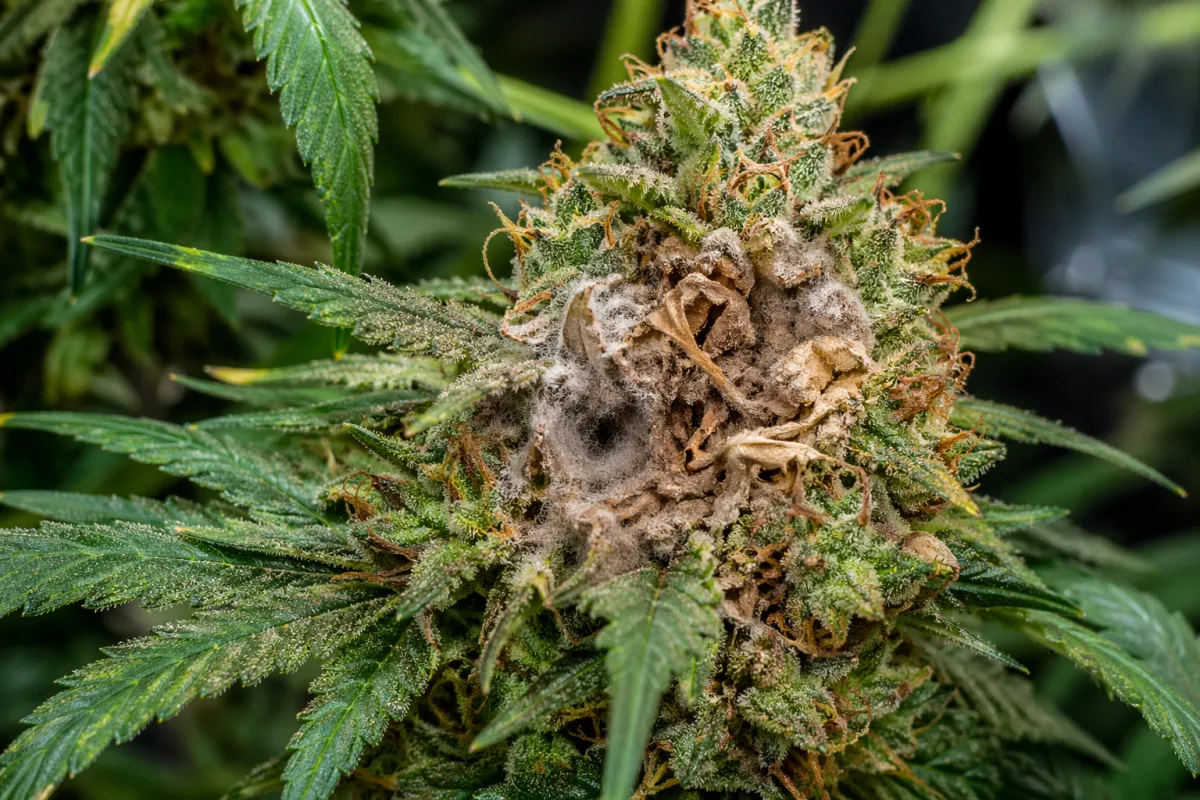
What Is Botrytis (Bud Rot)?
Botrytis, also known as bud rot or gray mold, is a fungal disease that thrives in:
High humidity
Poor airflow
Dense plant structures
It often starts inside the bud where you can’t see it…
and by the time it’s visible, it’s already spreading.
Early Signs of Botrytis
Catching botrytis early can save your crop.
Watch for:
Dark or discolored buds
Soft or mushy spots
Leaves dying suddenly near buds
Gray, dusty mold appearance
👉 If you see one infected area, assume spores are already spreading.
Why Traditional Fungicides Don’t Always Work
Many growers turn to fungicides—but run into problems:
Chemical residue on plants
Unsafe for late-stage flowering
Can stress or damage plants
Limited effectiveness inside dense buds
This leaves growers stuck between losing their crop or risking contamination.
A Safer Way to Treat Botrytis
Instead of harsh chemicals, many growers are shifting toward safer alternatives.
A better approach focuses on:
Reducing mold and bacteria load
Using non-toxic, residue-free sprays
Applying solutions regularly without harming plants
Hypochlorous acid (HOCl)–based plant sprays are gaining attention because they:
Break down pathogens effectively
Are gentle on plants
Leave no harmful residue
Step-by-Step: How to Treat Botrytis
1. Remove Infected Areas
Cut away affected buds immediately—go beyond visible damage.
2. Isolate the Plant
Separate infected plants if possible.
3. Improve Airflow
Increase circulation and reduce humidity levels.
4. Sanitize Your Grow Environment
Clean everything:
Tools
Hands
Trays
Surfaces
Grow space air
👉 This step is critical to stop spreading spores.
5. Apply a Plant-Safe Spray
Use a spray that:
Targets mold and bacteria
Can be used frequently
Leaves no residue
How to Prevent Botrytis
Preventing mold is easier than treating it.
Focus on:
Proper airflow
Lower humidity
Clean tools and surfaces
Regular plant-safe sanitation
Monitoring plant density
The Bottom Line
Botrytis spreads fast—but it can be controlled.
You don’t need harsh chemicals.
You don’t need to risk your crop.
You need a smarter, cleaner approach.
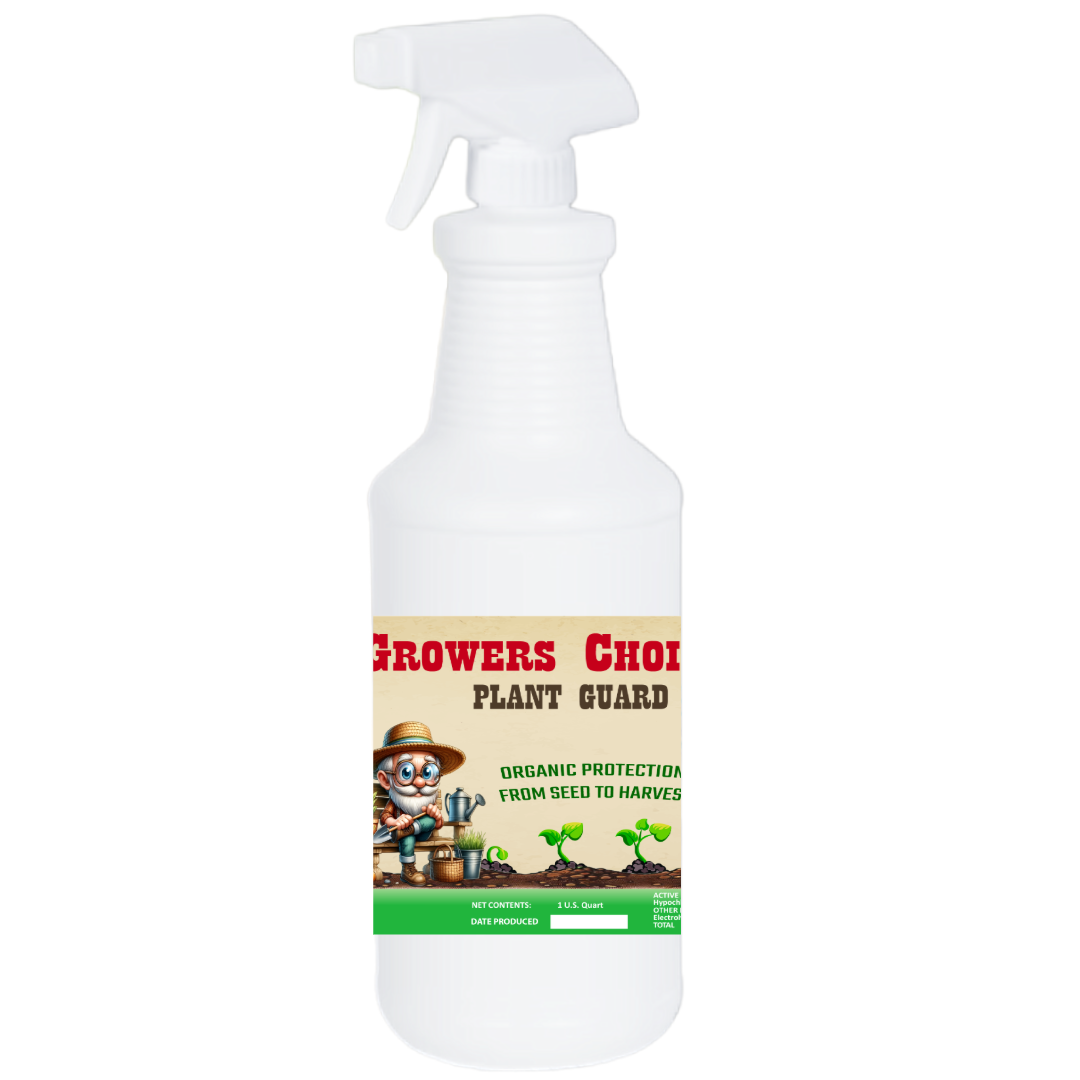
If you're looking for a non-toxic way to manage mold, bacteria, and grow room contamination,
Growers Choice Plant Guard 420 helps growers:
Clean plants safely
Sanitize tools and grow spaces
Reduce contamination risk
👉 Simple. Effective. Built for growers. https://growerschoiceplantguard.com/