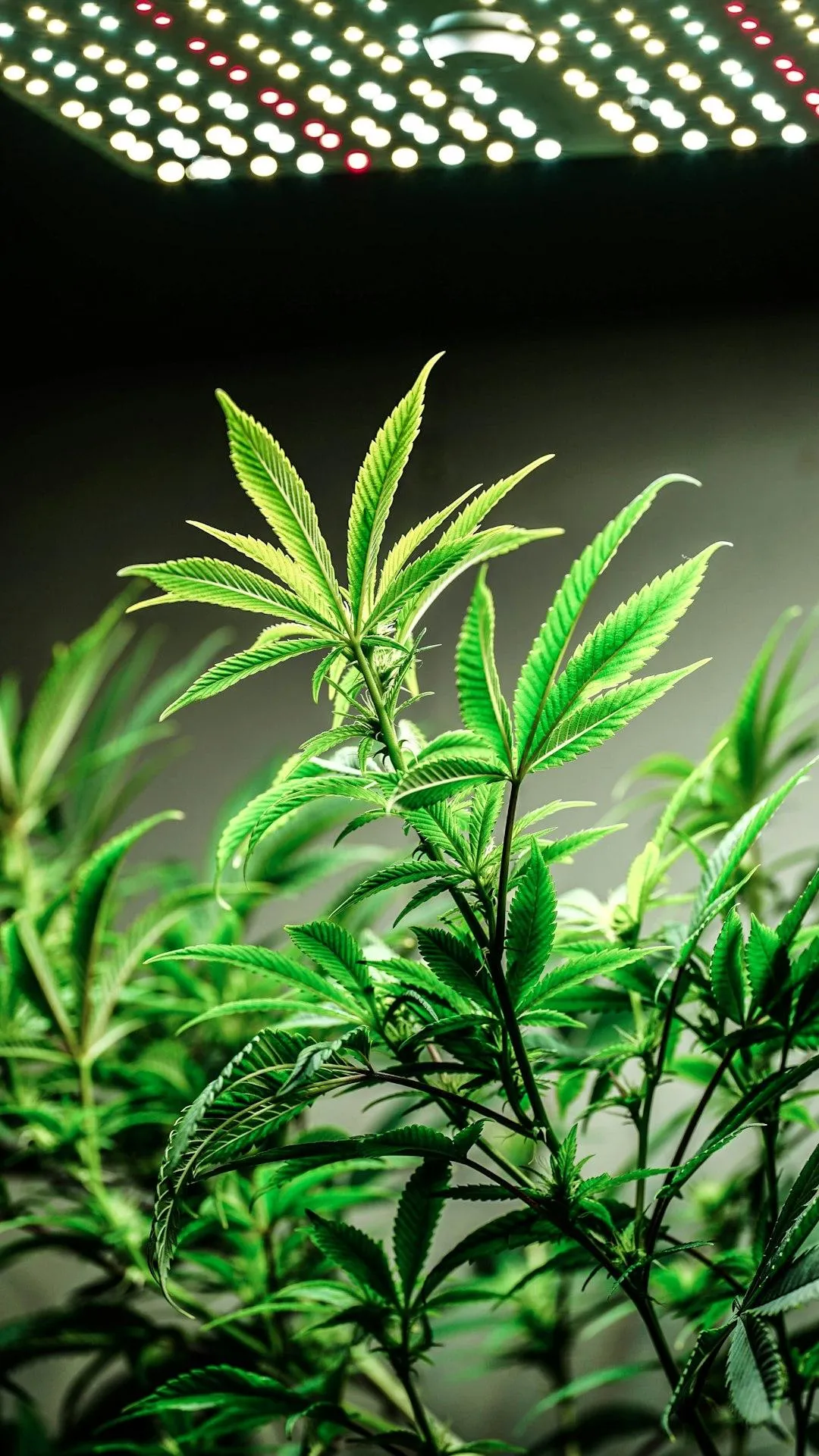
Rethinking Plant Protection: 3 Counter-Intuitive Truths for Modern Growers
Rethinking Plant Protection: 3 Counter-Intuitive Truths for Modern Growers
Every grower knows the feeling: after months of investment in time, nutrients, and electricity, your plants are in the final, critical weeks of flowering. The harvest is close, but so is the risk. This is when the fear of a last-minute mold or mildew outbreak is at its peak, threatening to destroy the entire financial value of your crop. In this high-stakes moment, a difficult dilemma emerges. Traditional chemical treatments are often too risky, with the potential to leave behind residues that can ruin the final product's purity, flavor, and safety.
For years, this has felt like an unavoidable trade-off between protecting your investment and compromising its quality. But what if the old rules no longer apply? A modern approach, known as Integrated Plant Protection (IPP), flips this script. It marks a strategic shift from reactionary chemical treatments toward full-cycle, non-toxic sanitation. This new way of thinking offers growers a path to protect their harvest at every stage, without ever sacrificing the integrity of the final product.
1. Your First Line of Defense Isn't a Pesticide—It's Sanitation.
The core principle of Integrated Plant Protection is a "sanitation-first strategy." This represents a fundamental shift away from the old model of waiting for a problem to appear and then reacting with a chemical treatment. Instead, IPP focuses on creating an environment so clean that pathogens like mold and mildew struggle to establish a foothold in the first place. It’s about building a defense so strong that the need for a cure rarely arises.
This proactive approach is built on a foundation of zero-tolerance sanitation protocols integrated into every part of your operation. Key practices include:
Sanitizing all surfaces, benches, floors, and walls before and between crop cycles.
Flushing irrigation lines and reservoirs to eliminate biofilm and waterborne root rot pathogens like Pythium and Fusarium.
Cleaning all tools and equipment immediately after use to prevent the cross-contamination of pathogens from one plant or area to another.
Integrated Plant Protection (IPP) is the modern evolution of IPM. It's a proactive, sanitation-first strategy that uses the power of non-toxic technology to eliminate pathogens and create a perpetually clean environment.
2. You Can (and Should) Spray Your Plants Right Up to Harvest Day.
Perhaps the most critical—and surprising—benefit of this modern IPP model is its safety throughout the entire grow cycle. Traditional wisdom dictates that you must stop all foliar sprays well before harvest to avoid contaminating the final product. With a solution like Growers Choice Plant Guard 420 Formula, that rule no longer applies. It is specifically designed to be used from propagation deep into the flowering stage, providing crucial protection when plants are most valuable and vulnerable.
The science behind this is simple and effective. The formula breaks down into nothing more than simple water and oxygen, leaving zero harmful or flavor-altering residue on the plant. This allows growers to proactively defend against common threats like powdery mildew in the vegetative stage and confidently protect their crops against late-stage threats like Bud Rot (Botrytis) without compromising quality. This safety even extends post-harvest, where the solution can be used as a final "Harvest Wash" to remove surface contaminants before the drying process begins.
Because the Plant Guard 420 formula breaks down into water and oxygen, it can be applied to flowers right up to the day of harvest without risking chemical residue, smell, or flavor degradation.
3. You Can Radically Simplify Your Program with a Single Solution.
A traditional Integrated Pest Management (IPM) program often requires juggling multiple, specialized chemicals—one for sanitizing tools, another for treating water, and several different foliar sprays for various pathogens. This complexity adds time, expense, and a significant risk of operational error. A single solution, however, reframes simplicity as a strategic advantage by reducing the cognitive load and eliminating the chance of mixing errors or incorrect application rates.
The IPP approach streamlines this entire process. By consolidating your protocol to a single solution that covers tools, water systems, and foliar sprays, you radically simplify your operation. The same formula used to purge irrigation lines also serves as the proactive foliar spray. Crucially, this tool serves a dual purpose: if routine scouting reveals an issue, your preventative tool is also your immediate, curative intervention. You can act instantly to stop the spread without needing to reach for a different, harsher chemical, bridging the gap between prevention and safe treatment.
A New Standard of Clean
Ultimately, adopting an Integrated Plant Protection strategy is about making a mental shift from reactive treatment to proactive, full-cycle sanitation. It’s a commitment to a new standard of clean that puts the grower back in control. By creating an environment where pathogens cannot thrive and using a tool that is safe at every stage, this modern approach delivers enhanced purity, uncompromising safety, and complete crop security from propagation to harvest.
What could you achieve if the fear of late-stage crop loss was replaced with the confidence of a perpetually clean grow?
Download our IPP PDF for more information: https://storage.googleapis.com/msgsndr/FbPk7esIgEjGbjvCbD9L/media/68ff9e0f04f1270184b39c17.pdf
