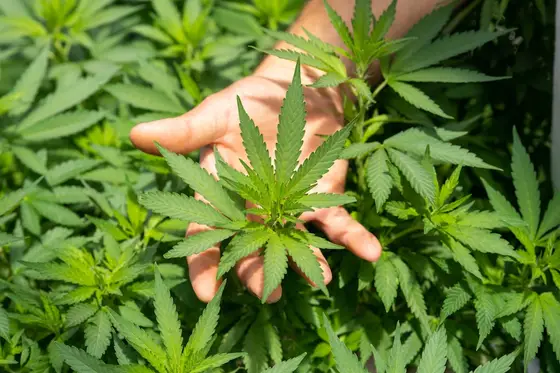
Clones and seedlings
Start clean
Mist new cuts and seedlings at 8 oz per gallon so they start without spores hitching a ride. Wipe trays and domes at 32 oz per gallon.

Grower's Choice Plant Guard · trusted by 1,000+ growers
Clean leaves. Clean buds. From seed to harvest.
Take a breath. You spotted it, and that's the hardest part. Grower's Choice Plant Guard is pure HOCl, and here's what HOCl does: it oxidizes powdery mildew, mold and botrytis spores the moment it touches them, then breaks down to water and a trace of the same salt as potash fertilizer. No oily film and no harsh chemical residue left behind. Nothing coats your trichomes.
★★★★★"…lost several beautiful crops of photoperiod and autoflower to gray mold… finally was able to keep the mold away." Barry G.
Found it this morning?
Every grower we talk to has been here: white dust on a fan leaf, a gray spot deep in a cola, a sinking feeling. Powdery mildew spreads by spores, so the goal today is simple. Hit every spore you can reach, and fix the conditions that let it spread.
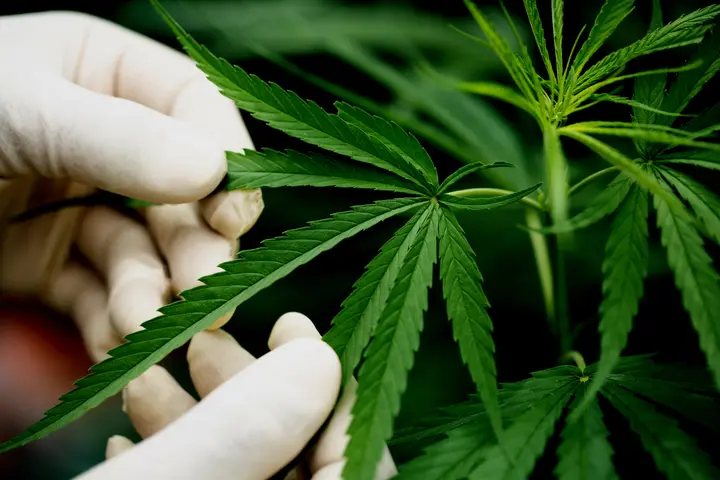
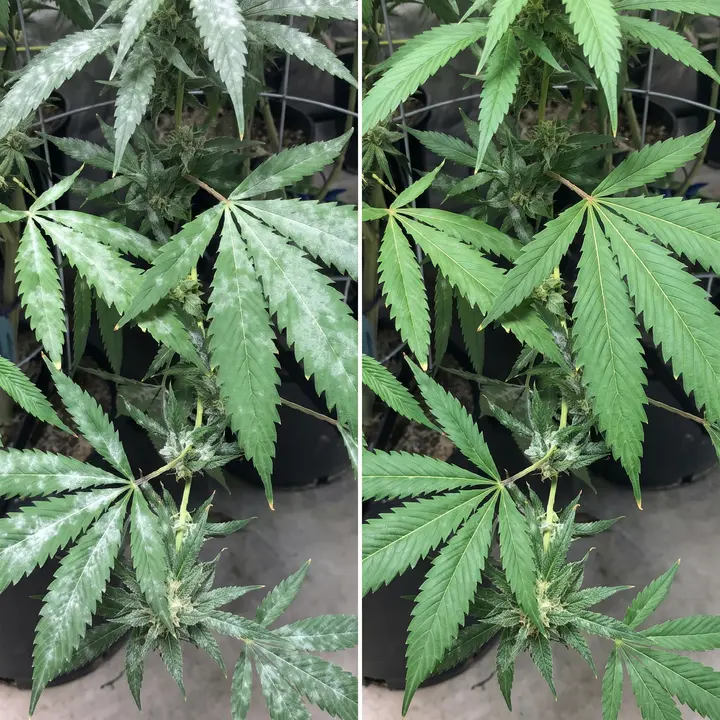 BeforeAfter
What HOCl oxidizes
That white dust on the left is powdery mildew. On the right is the same plant after Plant Guard. HOCl oxidizes fungal spores, mold, bacteria and algae on contact. These are the problems cannabis growers bring to us most:
The honest part: HOCl only works where it touches. It can't reach the inside of a dense cola where botrytis has already taken hold, so cut those buds out. Where it shines is on leaf surfaces, on the outside of buds, and as a regular habit that keeps spores from getting a foothold.
For the growers who read the label
You've been sold "miracle" sprays before. Plant Guard is concentrated HOCl, nothing added, so here are the numbers, plainly.
Why pH matters. Free chlorine exists in two forms. At high pH it's mostly hypochlorite, the harsh stuff in bleach. Between pH 6.5 and 7.0 most of it is hypochlorous acid, HOCl, the same molecule your own white blood cells make to fight infection.
Why HOCl works. HOCl carries no electrical charge, so it slips through the outer wall of a spore or bacterial cell and oxidizes it from the inside. Hypochlorite has a negative charge and has a harder time getting in.
Why it doesn't build up. Once it reacts, HOCl breaks down to water and a trace of potassium chloride, the same salt found in potash fertilizer. No oil film, no powder, no smell on your flower.
It's concentrated. Mix it right.
Every bottle of Plant Guard is concentrated HOCl, from the quart to the pail, so the mixing rate is what makes it work for your grow. Too weak and it can't do its job. Too strong and you're wasting product. The Grower's Guide has the dilution chart for every stage, from clones to bud wash.
Your trichomes and terpenes
Oils and sulfur coat the plant and can show up in the smoke. HOCl doesn't leave a coating. It reacts, breaks down and is gone, which is why growers use it right up to harvest and as a bud wash after the chop.
"Flower looks like it was spit shined… still funky and sticky… Simplified my harvest process."
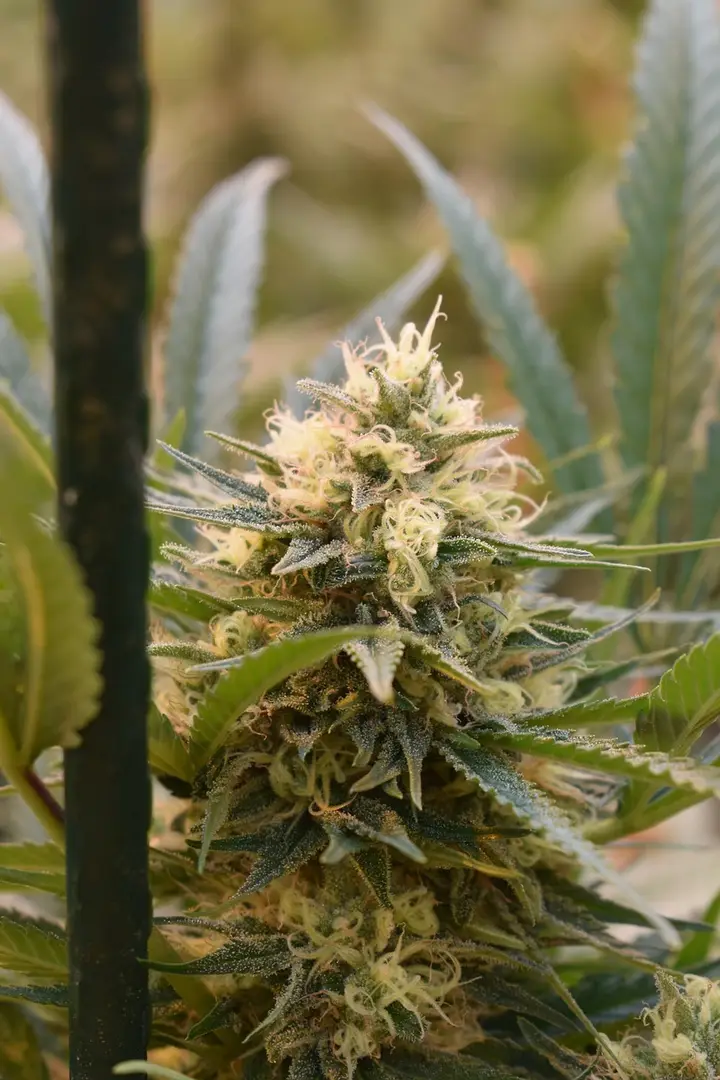
Step-by-step photos and timing are in the Grower's Guide.
Clone to cure
The growers who never see an outbreak are usually the ones who spray on a schedule. Here's the rhythm.
Clones and seedlings
Mist new cuts and seedlings at 8 oz per gallon so they start without spores hitching a ride. Wipe trays and domes at 32 oz per gallon.
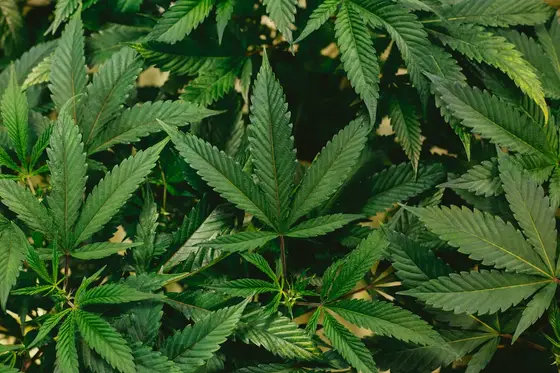
Veg
Spray 8 oz per gallon twice a week, tops and undersides. Veg is when prevention is easiest.
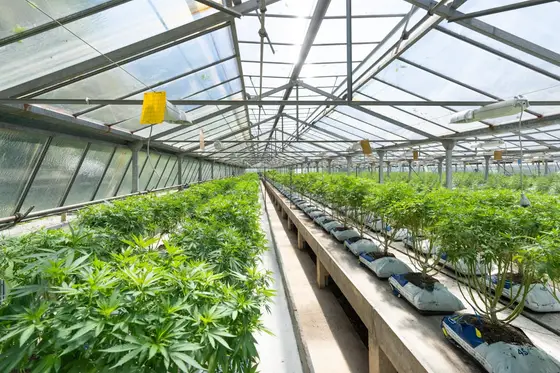
Flower
Stay on 8 oz per gallon twice a week. If something shows up, switch to 16 oz per gallon and follow the outbreak plan above.
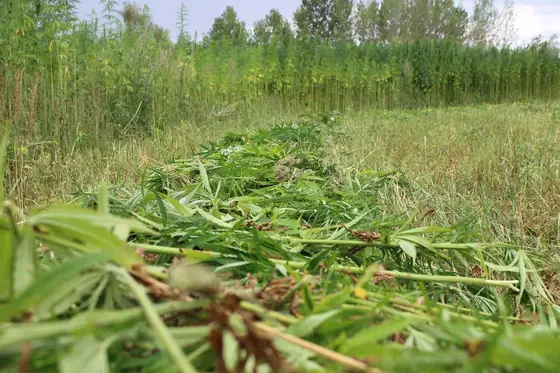
Harvest
Use the 8 oz per gallon bud wash to rinse off dust and spores picked up in the field or the room.
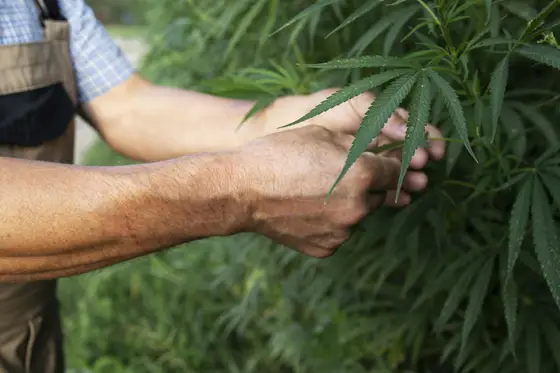
Between runs
Clean tools, trimmers and surfaces at 32 oz per gallon. Keep irrigation lines clear of biofilm at 1 oz per gallon.
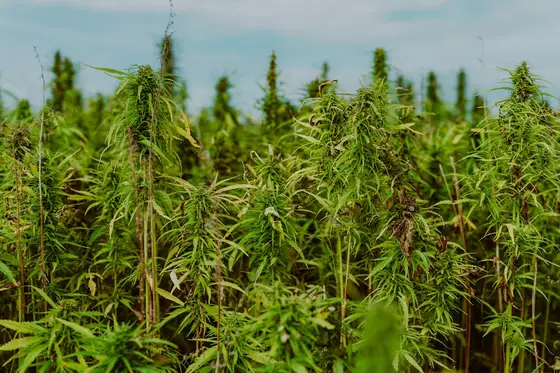
Outdoor
Wet weather is when bud rot takes off outside. Spray once leaves dry after a long wet stretch.
From growers like you
Real reviews from our customers on Facebook and in our store, in their own words.
"…lost several beautiful crops of photoperiod and autoflower to gray mold… finally was able to keep the mold away… worked as advertised."
"…brutally honest… It eliminated 90% of bud rot, which is a problem here in Pennsylvania growing outdoors."
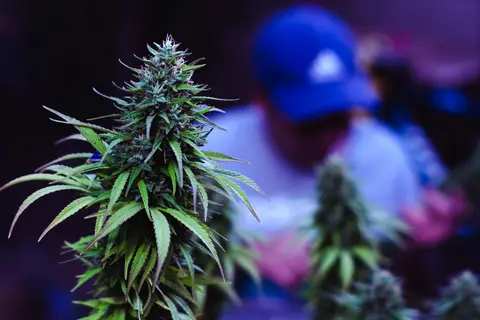
"Helped my ladies stay healthy all through veg… absolute beasts full of life and turgor!"
"I hate powdery mildew. Your product works great. I'm now an outbreak specialist."
"Every single problem I had here was fixed…"
"It totally got rid of PM… extremely impressed."
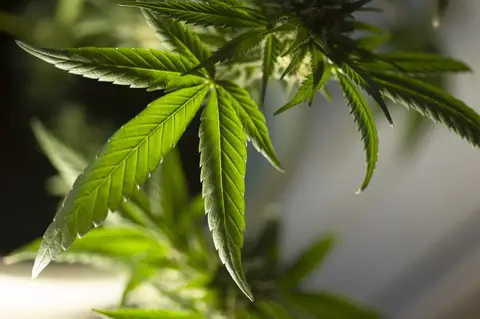
"Fixed my powdered mildew and made my girls healthy."
"Truly a great product. No bull. Very impressed, will definitely continue using it."
"I use it regularly. It works fantastic!"
"A must have. Amazing product."
Reviews are shortened for length and names are shortened for privacy. Results vary with strain, environment and how consistently it's applied.
Side by side
Every option has a place. Here's how they differ once you're in flower. Always follow each product's own label.
Straight answers
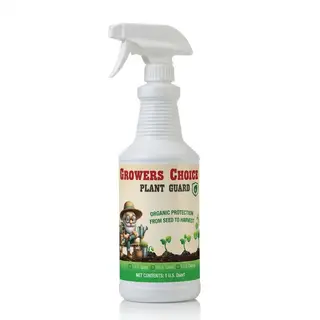
Grower's Choice Plant Guard is a concentrated HOCl plant wash, made at a near-neutral pH of 6.5 to 7.0, made fresh in Kansas and shipped the same day. Here's what HOCl does: it oxidizes powdery mildew, mold and spores on contact, then breaks down to water and a trace of salt.
Yes. Growers spray HOCl at 8 oz per gallon twice a week right up to harvest day. It breaks down to water and a trace of salt, so it doesn't leave an oil film or powder on your flower.
HOCl doesn't coat the plant. It reacts on contact and breaks down, which is why growers use it as a bud wash after harvest. Test a few buds first if you're trying it on a new strain.
For an active outbreak, mix 16 oz per gallon and test a few leaves first. Spray the tops and undersides, then follow the outbreak schedule in the Grower's Guide. For prevention, use 8 oz per gallon twice a week.
HOCl oxidizes botrytis spores on contact, on leaves and on the outside of buds. It can't reach deep inside a dense cola where rot has already set in, so cut out infected buds and use HOCl to protect the rest.
Mix 8 oz per gallon of clean water, dip the branches and swirl gently, shake off the extra and hang to dry as usual. The Grower's Guide has the full walkthrough.
Yes. Mist clones and seedlings at 8 oz per gallon, and use the same twice-a-week rhythm on autoflowers. Test a few leaves first on anything new.
Yes. It's allowed for organic crop production under the USDA National Organic Program, 7 CFR §205.601.
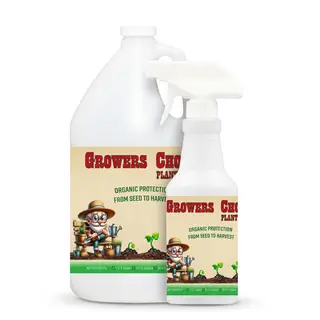
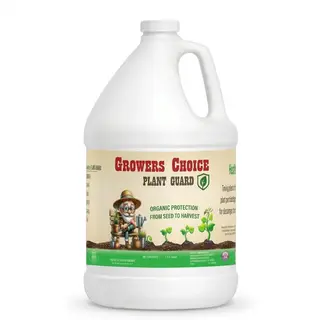
You've got this
Start with the Plant Guard quart and gallon bundle. It ships free, and first-time growers save 10% with code GC10.
Questions about your grow? Email [email protected] or ask our AI assistant in the chat bubble.