Grower's Choice Plant Guard for home gardens
Pure HOCl for a Healthier Home Garden
Grower's Choice Plant Guard is pure HOCl. Here's what HOCl does: it oxidizes powdery mildew, mold and fungal spores on contact, then breaks down to water and a trace of salt. No oily sprays, no harsh smell, no oily film on the tomatoes you pick tonight.
Sound familiar?
White dust on the squash. Spots on the roses.
You put the time and love into your garden, then powdery mildew shows up on the zucchini, black spot hits the roses, and blight creeps up the tomatoes. It can spread fast in warm, humid weather.
HOCl oxidizes mildew, mold and fungal spores on contact, then breaks down. That means you can spray your vegetables in the morning and pick them for dinner.
- Powdery mildew on squash
- Black spot on roses
- Tomato blight
- Mold
- Leaf spots
- Downy mildew
- Rust
- Algae
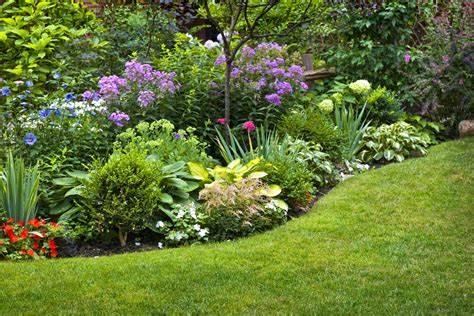
Garden tip: water at the base of plants in the morning, give them room to breathe, and pull badly infected leaves. HOCl works where it touches, so spray the undersides of leaves too.
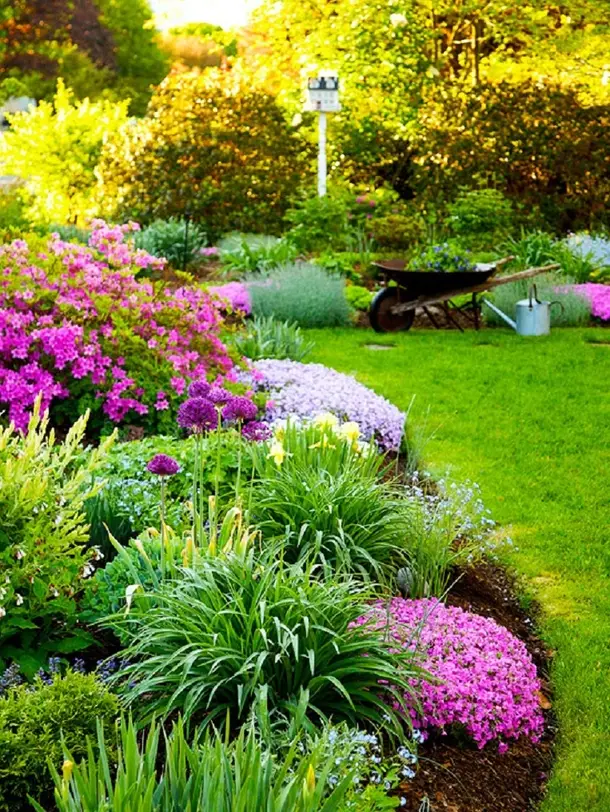
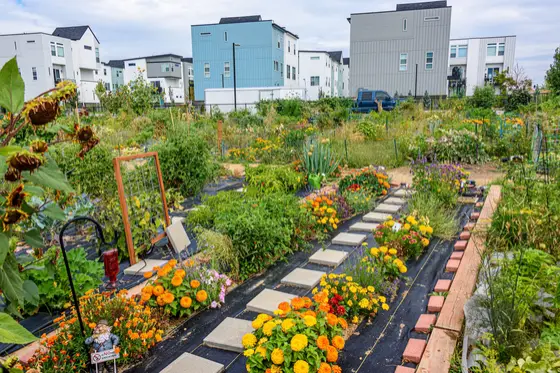
How gardeners use it
Your garden routine, start to finish
Every size comes full strength. Mix it with water at the rates below.
- Start seedlings cleanMist seedlings and wipe trays and pots before you plant.8 oz per gallon
- Spray twice a weekCover the tops and undersides of leaves on vegetables, flowers and fruit.8 oz per gallon
- When mildew shows upStep up the rate on affected plants. Test a few leaves first.16 oz per gallon
- Rinse your harvestRinse fruits and vegetables after you pick them.8 oz per gallon
- Clean your toolsWipe pruners and tools between plants.32 oz per gallon
Every rate is per gallon of water. Test on a few plants first. Full schedules are in the Grower's Guide.
What gardeners grow with it
From the vegetable patch to the flower bed
Vegetables
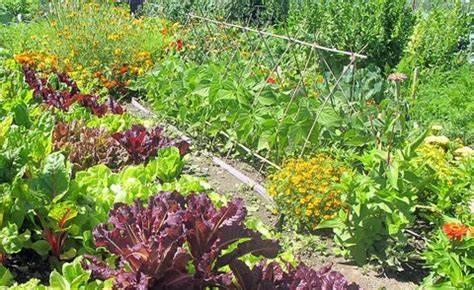
Tomatoes, squash, zucchini, cucumbers, peppers, pumpkins and leafy greens.
Flowers and roses
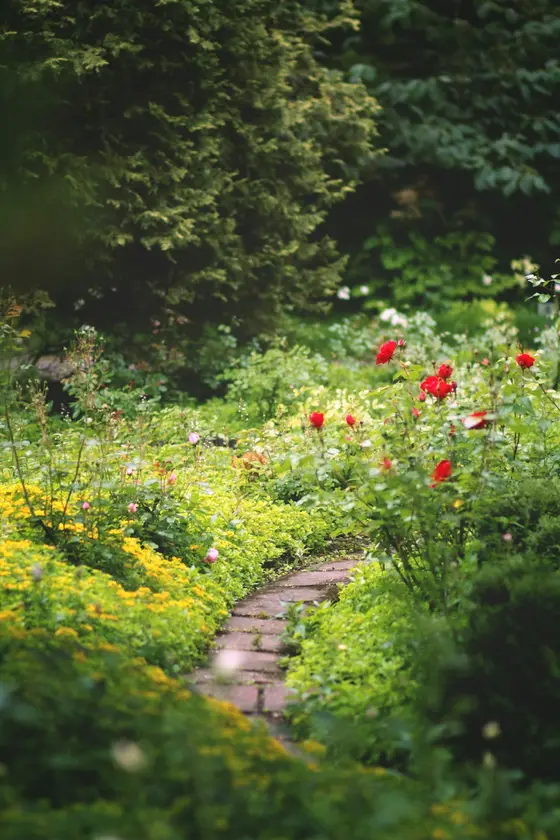
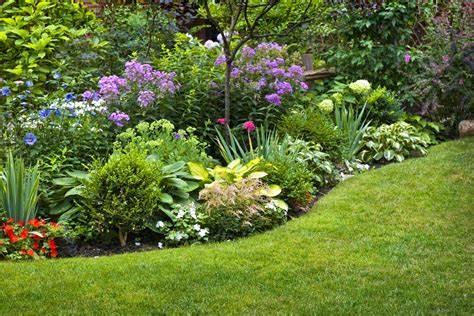
Roses, phlox, zinnias, peonies, hydrangeas and other ornamentals.
Fruit and berries
Strawberries, grapes, blueberries and backyard fruit trees.
Shop Plant Guard
The right size for your garden
Made fresh in Kansas and shipped the same day. Free shipping over $45 in the lower 48 states, and first-time customers save 10% with code GC10.
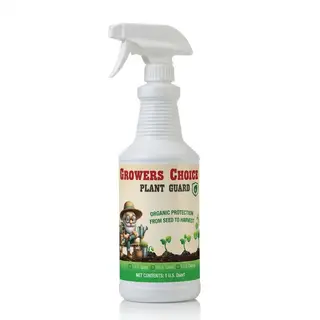 Quart Spray BottleFull strength, handy spray bottleView →
Best for gardens
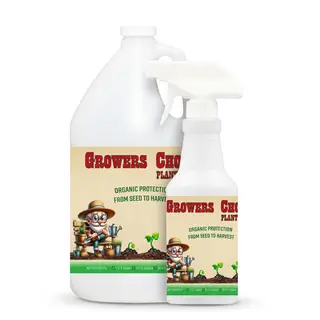 Quart + Gallon BundleShips freeView →
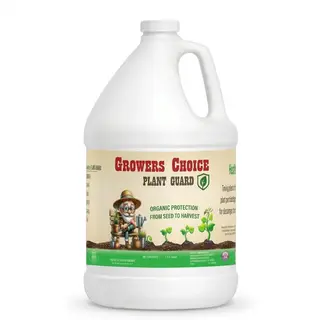 GallonMixes up to 16 gallons of sprayView →
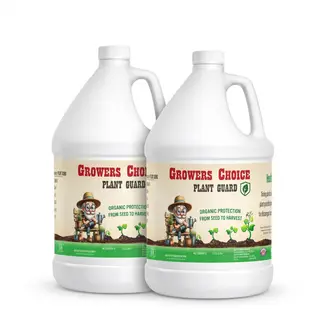 2-GallonFor bigger gardens and small farmsView →
"I use it regularly. It works fantastic!"
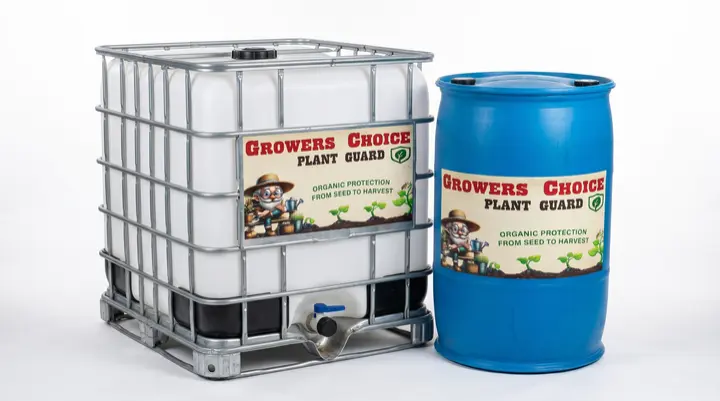
Bulk pricing
Community garden or market farm?
Running a community garden, school garden or market farm? We also make Plant Guard in 5-gallon pails, 55-gallon drums and 275-gallon totes. We make every order fresh, so tell us how much you need and how often, and we'll put together a quote.
Email [email protected], or call or text our AI assistant anytime. Need the SDS or compliance documents for a buyer or inspector? They're on our Product Info page.
Questions gardeners ask
Plant Guard in the garden
Can I eat vegetables I just sprayed?
Yes. There's no waiting period before harvest. HOCl breaks down to water and a trace of salt after it reacts. Many gardeners rinse their harvest at 8 oz per gallon too.
Which size should I start with?
Most home gardeners start with the quart and gallon bundle. The quart comes full strength in a spray bottle, the gallon mixes up to 16 gallons of spray, and the bundle ships free.
How often should I spray?
Twice a week at 8 oz per gallon for routine care. If mildew shows up, use 16 oz per gallon on the affected plants and follow the Grower's Guide.
Can I use it on roses and flowers?
Yes. Gardeners use it on roses, phlox, zinnias and other ornamentals. Test a few leaves first on anything new.
Is it allowed in organic growing?
Yes. HOCl is allowed for organic crop production under the USDA National Organic Program, 7 CFR §205.601, and for organic food handling under §205.605.